
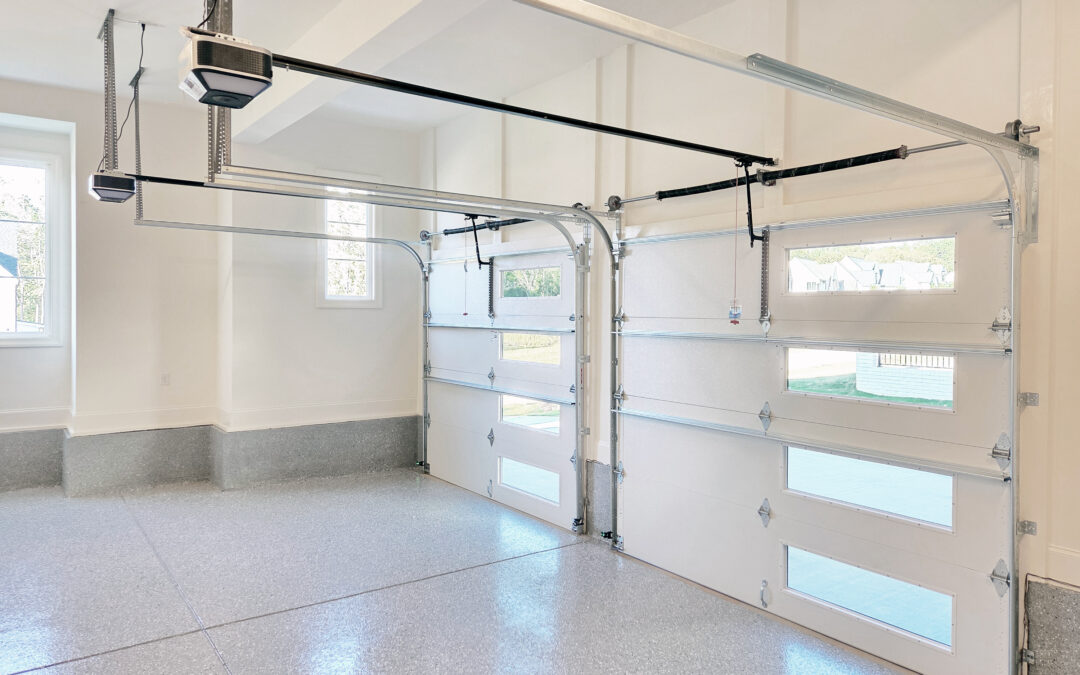
Garage doors are essential for the security and convenience of our homes, but they can also pose safety risks if not properly maintained. One of the most critical components of your garage door system is the safety sensors. These sensors are designed to prevent accidents, especially involving children and pets. Let’s discuss how to check if your garage door sensors are working properly and why regular maintenance is vital.
Understanding Garage Door Sensors
Garage door sensors are typically located at the bottom of the garage door tracks on either side. They work by emitting an infrared beam across the door opening. If something interrupts this beam while the door is closing, the sensors signal the door to stop and reverse, preventing potential injuries or damage.
Common Issues with Garage Door Sensors
Over time, various issues can affect the performance of garage door sensors. Here are some common problems:
- Misalignment: Sensors must be properly aligned to function correctly. If one is knocked out of position, it may not detect the infrared beam.
- Dirt and Debris: Dust, dirt, or spider webs can obstruct the sensor’s view. Regular cleaning can help prevent this issue.
- Electrical Problems: Loose wiring or faulty connections can disrupt the power supply to the sensors, rendering them inoperative.
- Obstructions: Items left in the path of the sensors can cause them to malfunction. Always keep the area around the sensors clear and unobstructed.
How to Test Your Garage Door Sensors
To ensure your garage door sensors are functioning correctly, follow these simple steps:
Step 1: Visual Inspection
Start with a visual inspection of the sensors. Make sure they are aligned and free from obstructions. If you notice any dirt or debris, clean the lenses gently with a soft cloth.
Step 2: Manual Testing
To manually test the sensors, close the garage door using the remote or wall switch. While the door is closing, interrupt the sensor beam by placing an object (like a broomstick) in its path. The door should immediately stop and reverse. If this is the case, there may be an issue with your sensors.
Step 3: Check for Lights
Most garage door sensors have indicator lights. If both lights are on, the sensors are aligned. If one light is off or blinking, it could indicate a misalignment or malfunction. Check the manual for specific troubleshooting steps based on the indicator light status.
When to Call for Garage Door Repair
If your sensors fail the tests above, it might be time to contact a professional for garage door repair. Ignoring sensor problems can lead to unsafe conditions, especially if the door closes unexpectedly. Experts can diagnose the issue and recommend whether a simple adjustment or a full replacement is necessary.
Importance of Regular Maintenance
Regular maintenance is crucial for the safe and reliable operation of your garage door system. Schedule annual inspections to ensure that all components, including garage door sensors, are in optimal condition. This proactive approach can save you money on costly repairs and enhance your family’s safety.
Maintaining your garage door sensors is essential for ensuring the safety of your home. Regular checks and prompt repairs can help prevent accidents and extend the lifespan of your garage door system. For professional assistance with garage door repair, installation, or opener repair, contact AMS Garage Door. Our experienced team is dedicated to delivering top-notch service to ensure your garage door operates safely and efficiently. Contact us today!