
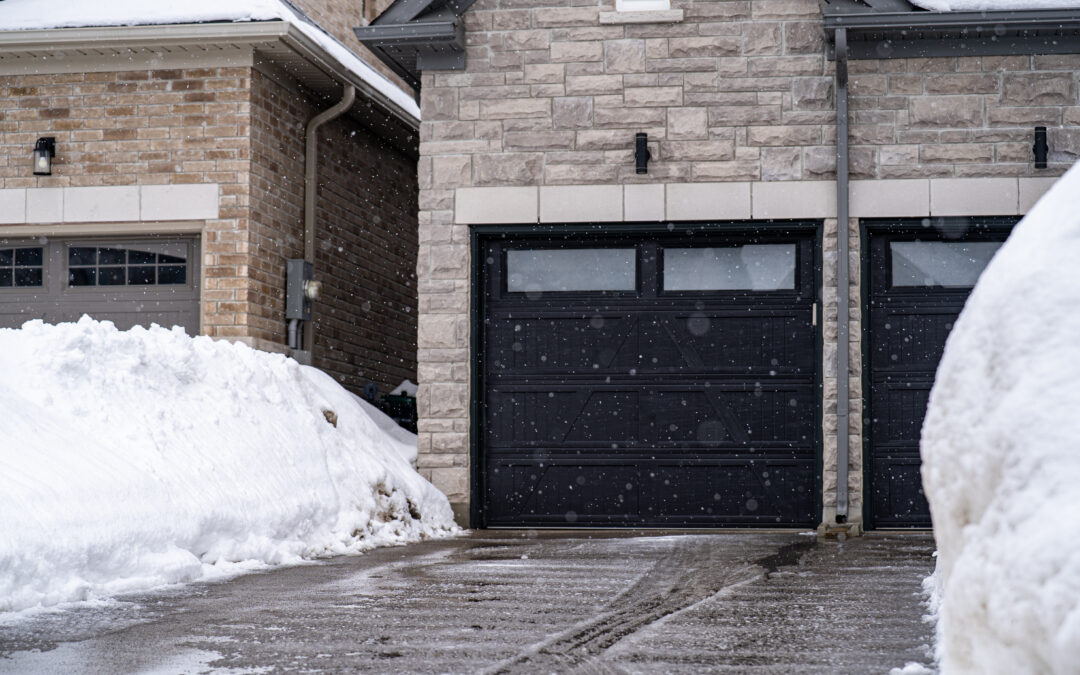
Winter in Canada brings beautiful snowfall and cozy evenings, but it also presents unique challenges for homeowners—particularly when it comes to garage door functionality. While many people focus on protecting their vehicles from the cold, they often overlook a critical component of their garage door system: the safety sensors. These small devices play a vital role in ensuring your garage door operates safely and efficiently, but winter weather can significantly compromise their performance.
At Ams Garage Door, we’ve seen countless cases where snow and ice interfere with sensor operation, leaving homeowners frustrated and unable to access their garages. Understanding how winter conditions affect these sensors and knowing how to address common issues can save you time, money, and the headache of dealing with a malfunctioning garage door during the coldest months of the year.
Understanding Garage Door Sensors
Garage door sensors are positioned near the floor on either side of your garage door opening. Their primary function is to detect obstacles in the door’s path using an infrared beam. When this beam is interrupted while the door is closing, the system automatically reverses to prevent injury or property damage. This safety feature is essential, but it’s also vulnerable to winter weather conditions.
How Winter Weather Impacts Sensor Performance
Snow and Ice Accumulation
Accumulated snow or ice can block the sensors’ line of sight, triggering malfunctions. When snow drifts pile up around your garage entrance or ice forms on the sensor lenses, the infrared beam cannot properly connect between the two sensors. This obstruction causes your garage door to behave erratically—starting to close and then reversing, or refusing to close altogether.
Condensation and Moisture
During the winter months, especially in areas with fluctuating temperatures, condensation can form on sensors, obstructing the infrared beam’s path. Even a thin layer of moisture or fog on the sensor lenses prevents accurate detection. This is particularly common when warm air from inside your garage meets the cold exterior temperatures.
Temperature-Related Misalignment
Cold temperatures cause metal and plastic components to contract, which may lead to subtle sensor misalignment. Ground freezing and shifting can also throw sensors out of position. When sensors aren’t pointing directly at each other, the infrared connection fails, causing operational issues.
Ice Buildup on Brackets
Ice can form directly on the sensor brackets or around them, physically shifting their position or blocking their view. Road salt splatter can worsen this problem by attracting moisture that subsequently freezes.
Warning Signs Your Sensors Need Attention
Several indicators suggest your garage door sensors are experiencing winter-related problems. If your garage door starts to close but then immediately reverses, this is a classic sign of sensor issues. You might also notice the garage door opener light flashing repeatedly, which typically signals an alignment or obstruction problem. In some cases, the door simply won’t respond to your remote commands at all.
DIY Solutions for Sensor Problems
Regular Cleaning
The simplest maintenance task is keeping your sensor lenses clean. Use a soft cloth with warm water or mild soap to gently wipe both sensor eyes. Avoid harsh chemicals that could damage the lens surface. If road salt has splattered on the sensors, thorough cleaning becomes even more crucial.
Removing Ice and Snow
Clear accumulated snow from around your garage door opening regularly, paying special attention to the area near the sensors. If ice has formed directly on or around the sensor brackets, carefully chip it away without hitting the sensors themselves. After removing ice, dry the area thoroughly to prevent refreezing.
Checking Alignment
Ensure both sensors are pointing directly at each other. Even slight misalignment can disrupt the infrared beam. If your door begins to close and then opens, or if indicator lights show the sensors aren’t connecting, check their positioning. Most sensors have a small indicator light—when properly aligned, these lights should be solid rather than blinking.
Weatherproofing
Installing sun shields around your sensors can protect them from snow accumulation and reduce condensation issues. Also, inspect the weatherstripping along the bottom of your garage door to ensure it’s in good condition, as proper sealing helps minimize moisture intrusion that can affect sensor performance.
When to Call for Professional Help
While many sensor issues can be resolved with basic maintenance, some situations require professional garage door opener repair. If you’ve cleaned and realigned your sensors but problems persist, there may be underlying electrical issues such as damaged wiring or corroded connections. Moisture can cause serious problems, including rust and electrical short-circuiting within the sensor housing.
Complex sensor malfunctions might also indicate that your opener system needs to be updated. If your garage door opener is older and has endured many harsh Canadian winters, it might be time to consider professional installation of a more modern, weather-resistant system.
Preventive Maintenance Tips
The best approach to sensor problems is preventing them from occurring in the first place. Establish a routine of weekly checks and cleanings of your sensors during the winter months. Apply silicone-based lubricant to moving parts of your garage door system, but avoid lubricating the sensors themselves. Keep the area around your garage door clear of snow, ice, and debris at all times.
Consider scheduling professional maintenance before winter arrives. A trained technician can identify potential vulnerabilities in your system and make necessary adjustments to prepare for harsh weather conditions.
Conclusion
Snow and ice don’t have to render your garage door system useless. By understanding how winter weather affects your garage door sensors and implementing regular maintenance practices, you can ensure reliable operation throughout the coldest months. However, when DIY solutions don’t resolve the issue, don’t hesitate to contact the professionals at Ams Garage Door. Our experienced technicians provide comprehensive services, from routine maintenance to complete garage door opener installation, ensuring your system operates safely and efficiently year-round.
Keep your garage accessible and your family safe this winter—give your sensors the attention they deserve, and reach out to us when you need expert assistance.