
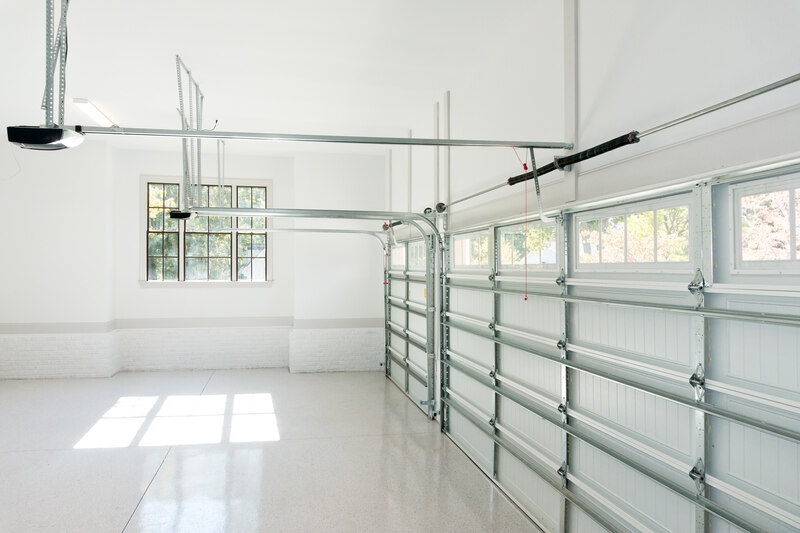
Garage doors are essential to the convenience and security of our homes, but they can sometimes produce unusual noises that are concerning. Understanding what these sounds mean can help you address potential issues before they escalate into costly garage door repairs. In this blog, we’ll explore common noises your garage door opener makes and what they indicate, so you can be proactive about garage door opener repair.
1. Squeaking or Squealing
If your garage door opener is squeaking or squealing, it’s often a sign that the rollers, hinges, or tracks need lubrication. Over time, these components can become dry, leading to friction and unwanted noise. Regularly applying a silicone-based lubricant can significantly reduce these sounds and prolong the life of your garage door parts. If the noise persists even after lubrication, it may indicate wear and tear on the rollers or hinges, which might require replacement.
2. Grinding Sounds
A grinding noise often suggests that the rollers are worn out or that the door is misaligned. This sound may also occur if there’s debris in the tracks. Check the tracks for any obstructions and clear them out. If the grinding continues, it could be time for a garage door repair service to inspect the rollers and alignment. Ignoring this issue can lead to further damage and potentially more expensive repairs.
3. Rattling or Clanking
Rattling or clanking noises can indicate loose hardware, such as nuts, bolts, or screws. As your garage door operates, any loose parts can move around, creating noise. It’s essential to periodically check and tighten these components to ensure your garage door operates smoothly. If you continue to hear rattling after tightening, it may be wise to consult with a professional to avoid any safety hazards.
4. Banging or Slamming
If your garage door makes a banging or slamming noise when opening or closing, it could indicate an unbalanced door. An unbalanced door can strain the opener and lead to premature wear. The springs may be at fault, or the door may need realignment. This is a serious issue, as an unbalanced door can pose safety risks, so it’s advisable to seek garage door opener repair immediately.
5. Clicking or Popping Sounds
Clicking or popping noises can result from a malfunctioning garage door opener. This could be due to a failure in the drive mechanism or a misalignment. If you hear these sounds when operating your garage door, it may require a thorough inspection by a professional technician to identify and resolve the underlying issue.
6. Whirring or Humming
A whirring or humming sound may be normal during operation, especially with a belt-drive garage door opener. However, if the noise becomes excessive or changes in pitch, it could indicate a problem with the motor or the drive mechanism. Regular maintenance and lubrication can help reduce unnecessary noise, but if the humming persists, consider contacting a garage door repair service.
7. Silence
While silence can be a good sign, it may also indicate a problem if your garage door opener is unresponsive. If you press the remote or wall switch and hear nothing, it could mean a power issue or a malfunctioning motor. Check the power source and ensure that the garage door opener is plugged in. If everything seems in order and the door still doesn’t respond, it’s time to call in a professional for a thorough assessment.
Conclusion
Understanding the different noises your garage door opener makes is crucial to maintaining its functionality and safety. Regular maintenance and prompt repair can help you avoid major issues down the line. If you notice any unusual sounds or if your garage door isn’t operating as smoothly as it should, don’t hesitate to contact AMS Garage Doors. Our team of professionals is here to help with all your garage door needs, ensuring your system runs efficiently and quietly. Call us at (647) 923-1209 to schedule a service or request an estimate today!
We offer Garage Door Opener repair services in: